 An official website of the United States government




Skin is the biggest organ in the body. The skin protects us from environmental hazards, regulates the body temperature and provides us with the sense of touch. There are simple steps to care for it at every age.
Overview
Skin does far more than cover the body. Our skin:
- Protects us from the outside world
- Fights dangerous germs and stops them from getting inside the body
- Makes melanin, the molecule that gives skin color and helps protect it from the sun’s harmful rays
- Helps keep the body at the right temperature
- Prevents dehydration by keeping fluids inside the body
- Gives a sense of touch, allowing us to sense texture, pressure, and temperature
- Makes vitamin D to help keep bones strong
- Contains hair follicles, which grow hair and help repair wounds
Skin diseases are common and affect as many as one in three Americans at any given time. Common skin conditions include acne, contact dermatitis, benign tumors, cancers, atopic dermatitis (also called eczema), and psoriasis. Skin cancer is the most common cancer diagnosis in the United States. Certain types of skin cancers can result in metastatic disease and death.
Skin Structure
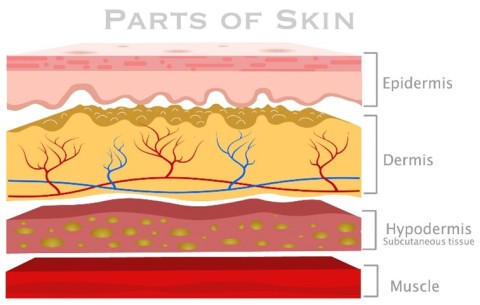
NIH/National Institute of Arthritis and Musculoskeletal and Skin Diseases (NIAMS)
Skin has three main layers:
- The epidermis is the outer part of the skin. At the bottom of the epidermis, new skin cells form to replace old ones that flake off.
- The dermis is the next layer down, hidden under the epidermis. This layer contains blood vessels, nerve endings, and oil and sweat glands.
- The hypodermis is the deepest layer of skin. It helps store energy and connects skin to muscles and bones.
Layers of the skin harbor a multitude of immune cells that protect us from harmful bacteria and viruses.
The skin changes as people get older. It may become thinner and no longer look as plump and smooth as it once did. The good news is there are simple ways to protect skin and keep it healthy throughout our lives.
How to Keep Your Skin Healthy
There are ways to protect and maintain the health of your skin.
Protect Skin from the Sun
- Limit time in the sun. Try to avoid being in the sun when the sun’s rays are strongest. During the summer, try to stay out of the sun between 10 a.m. and 4 p.m. Even when skies are cloudy, it’s important to be careful, because the sun’s UV rays can go through clouds.
- Use sunscreen. Look for sunscreen with an SPF (sun protection factor) of 50+, especially for people with fair skin. It’s best to choose sunscreens with “broad spectrum” on the label. Put the sunscreen on 15–30 minutes before going outside. Reapply sunscreen at least every two hours, and more often if swimming, sweating, or rubbing skin with a towel. For children, apply sunscreen every 2 hours.
- Wear protective clothing and sunglasses. A hat with a wide brim can shade neck, ears, eyes, and head. Look for sunglasses that block 99%–100% of the sun’s rays. Wear long-sleeved shirts and long pants or long skirts when planning to be in the sun.
- Avoid tanning. Don’t use sunlamps or tanning beds. Use caution and talk to a doctor before using tanning lotions or creams. Sunless tanning sprays and lotions often contain a chemical called dihydroxyacetone (DHA), which may be dangerous if it gets into the mouth, nose, or eyes. Tanning pills are not approved by the U.S. Food and Drug Administration (FDA) and might not be safe.
Keep Skin Clean and Hydrated
- Wash skin, especially the hands, to keep it healthy and to keep from spreading germs to other parts of the body or to others.
- Drink plenty of water.
- Moisturize with lotions or ointments every day.
- Avoid taking showers and baths that are too hot.
- Wear lip balm.
- Maintain a normal range of humidity in your home (30-50%). Use humidifiers or dehumidifiers if needed.
If you have acne:
- Clean skin gently. Use a mild cleanser in the morning, in the evening, and after heavy exercise. Avoid using strong soaps, astringents, or rough scrub pads. Rinse skin with lukewarm water.
- Avoid rubbing and touching skin lesions. Squeezing or picking blemishes can cause scars or dark blotches to develop.
- Shave carefully.
- Choose oil-free cosmetics that are labeled noncomedogenic, which means they do not clog pores.
Manage Lifestyle Factors
- Don’t smoke.
- Manage your stress.
Avoid Skin Injuries
- Wear a helmet, knee pads, and elbow pads during sports.
- Always use potholders and oven mitts when touching hot pots, pans, and baking sheets.
- Wear heavy, warm clothes in cold weather to protect from frostbite.
- Wear long sleeves and pants in the woods or other areas with tall plants to protect skin from bug bites.
Care for Skin Injuries
- For cuts and scratches: Clean the area right away with soap and warm water and put on a bandage to protect it while it heals.
- For a minor burn that turns red but does not blister, run it under cold water for 5 minutes, then cover it with a clean bandage and wash the area gently with soap and water.
- If the cut, sting, or burn is really bad, go to the doctor right away.
See a Healthcare Professional Regularly about Your Skin
Check your skin often. If there are any worrisome changes, see a healthcare professional promptly. You can check in with your primary care physician or a dermatologist.
Common Skin Conditions
Acne
Acne is a common skin condition that happens when hair follicles under the skin become clogged. Sebum (oil that helps keep skin from drying out) and dead skin cells plug the pores. This leads to outbreaks of lesions, commonly called pimples. TTeens and people with a family history of acne are at a higher risk for acne. Hormones can also increase acne risk. Most often, the outbreaks occur on the face but can also appear on the back, chest, and shoulders.
Acne causes several types of lesions:
- Whiteheads: Plugged hair follicles that stay beneath the skin and produce a white bump
- Blackheads: Plugged follicles that reach the surface of the skin and open up. They look black because the air discolors the sebum, not because they are dirty
- Papules: Inflamed lesions that usually appear as small, pink bumps and can be tender to the touch
- Pustules or pimples: Papules topped by white or yellow pus-filled lesions that may be red at the base
- Nodules: Large, painful solid lesions lodged deep within the skin
- Severe nodular acne (sometimes called cystic acne): Deep, painful, pus-filled lesions
Age Spots and Skin Tags
Age spots are flat, brown spots on the skin often caused by years of exposure to the sun. They are bigger than freckles and commonly show up on the face, hands, arms, back, and feet. Skin tags are small, usually flesh-colored growths of skin that have a raised surface. They become more common as people age, especially in women. Age spots and skin tags are harmless, although skin tags can become irritated from friction.
Autoimmune Skin Conditions
Autoimmune skin conditions occur when the body mistakenly attacks its own cells. Examples of such conditions include psoriasis, vitiligo, and scleroderma.
Bruising
Older people bruise more easily than younger people, and it can take longer for these bruises to heal. Some medicines or illnesses may also cause bruising. Bruises happen when cuts or bumps break open veins under the skin. As they heal, a pigment in the blood called hemoglobin breaks down, and the bruise changes color — from red or purple to black and blue to greenish yellow and finally fades.
Dry Skin
Dry skin patches may itch and feel rough and scaly.
Eczema
Eczema is a condition that makes skin dry, red, and itchy.
Pressure Sores
Sitting or lying in one position for a long time can lead to pressure sores (sometimes called bedsores), which are painful, open sores on the skin.
Rashes From Infections
Infections such as chicken pox, shingles, measles, and others can cause rashes.
Rosacea
Rosacea is a condition that causes reddened skin and a rash, usually on the nose and cheeks.
Skin Infections
Skin infections can be caused by bacteria, viruses, fungi, or parasites. They often cause rashes, swelling, itching, and pain. Older adults are more likely to develop skin infections, especially if they have poor circulation or diabetes, or are taking certain medicines.
Warts
Warts are small, hard growths on the skin, most commonly found on the hands, fingers, feet, and face. Usually, warts are harmless and go away by themselves. People get warts when they are infected with a virus from the human papillomavirus family. The virus makes the skin grow extra cells, which makes the outer layer of skin thick and hard in a certain spot. Warts can spread to different places on the body or to other people.
Conditions That Impact Skin Health
Several factors can influence the development of skin changes, irritation, damage, and conditions.
Aging
Age-related changes such as a loss of elastic fibers (elastin) and collagen cause the skin to look older, develop wrinkles, and be more fragile. Hormonal changes, such as those that occur with menopause, can cause the skin to become thinner and drier. Certain chronic health conditions that are more common in older adults — such as diabetes, kidney disease, heart disease, and atherosclerosis — can also have symptoms that affect the skin.
A note about anti-aging products: Be skeptical about products that claim to be anti-aging or able to reduce wrinkles. Many of these are considered cosmetics, not drugs, and may not have been tested or approved by the FDA before going on the market. Some of these products may contain heavy metals such as mercury and lead, which can be dangerous. Talk with a dermatologist or a primary care doctor about which skin care products are safe and effective to use.
Sun Exposure
The sun emits ultraviolet (UV) light, which can damage skin cells. UV radiation is reflected by sand, water, snow, and ice and can go through windshields and windows. The sun’s rays are strongest between 10:00 a.m. and 4:00 p.m. In the short term, the damage can cause a sunburn. Over time, UV damage adds up, leading to changes in skin texture, premature skin aging, wrinkles, and sometimes skin cancer. Excessive sun exposure can also lead to photosensitive skin rashes and certain autoimmune conditions, such as systemic lupus erythematosus and dermatomyositis.
Lifestyle Factors
Drinking too little water, spending too much time in the sun, living in a dry environment, and smoking can all cause the skin to feel dry and rough. Taking hot baths and showers, or using too much soap, antiperspirant, or perfume, can make dry skin worse. Sunshine can lead to or accelerate wrinkles, dryness, age spots, bruising, and cancer.
Medicine Sensitivity
Some prescription and over-the-counter medicines can make skin more sensitive to sunlight. These include certain antibiotics, cancer therapies, nonsteroidal anti-inflammatory drugs (NSAIDs), diuretics, and commonly used retinol containing cosmetics.
Certain medicines can also increase risk for allergic reactions such as skin rashes and hives.
Cosmetics and Potential Health Effects
Some chemical ingredients in cosmetics can cause cancer. For example, formaldehyde is classified as a cancer-causing agent in humans. Some skin care products may contain formaldehyde or have chemicals that release formaldehyde when processed.
Other chemicals in cosmetics are considered endocrine disrupting, meaning they can interfere with the body’s hormones. Phthalates are synthetic chemicals found in scented products and certain cosmetics. Parabens are synthetic chemicals used to preserve the shelf life of some cosmetics and scented products.
Find Clinical Trials
Clinical trials uncover better ways to prevent, diagnose, treat, and understand diseases and conditions. To ensure results apply to everyone, volunteers of all ages, sexes, and backgrounds, including both healthy individuals and those with specific medical conditions, are needed. Find clinical trials on skin disorders or clinical trials on acne.
Research Information
The National Institutes of Health (NIH) is the largest public funder of biomedical research in the world. NIH invests most of its budget in medical research seeking to enhance life and to reduce illness and disability. NIH-funded research has led to breakthroughs and new treatments helping people live longer, healthier lives, and building the research foundation that drives discovery.
NIH is supporting research on the causes, prevention and treatment of skin disorders.
Find NIH-funded research projects using NIH RePORTER, a searchable database of current and past research projects supported by NIH and other federal agencies.