 An official website of the United States government




Protecting your eyesight is one of the most important things you can do for your overall health and well-being.
Overview
There is a lot you can do to keep your eyes healthy and protect your vision. Protecting your overall health also goes a long way toward keeping your eyes healthy. Healthy habits, like eating well and staying active, can lower your risk for diseases and conditions that lead to eye or vision problems, like diabetes.
How the Eyes Work
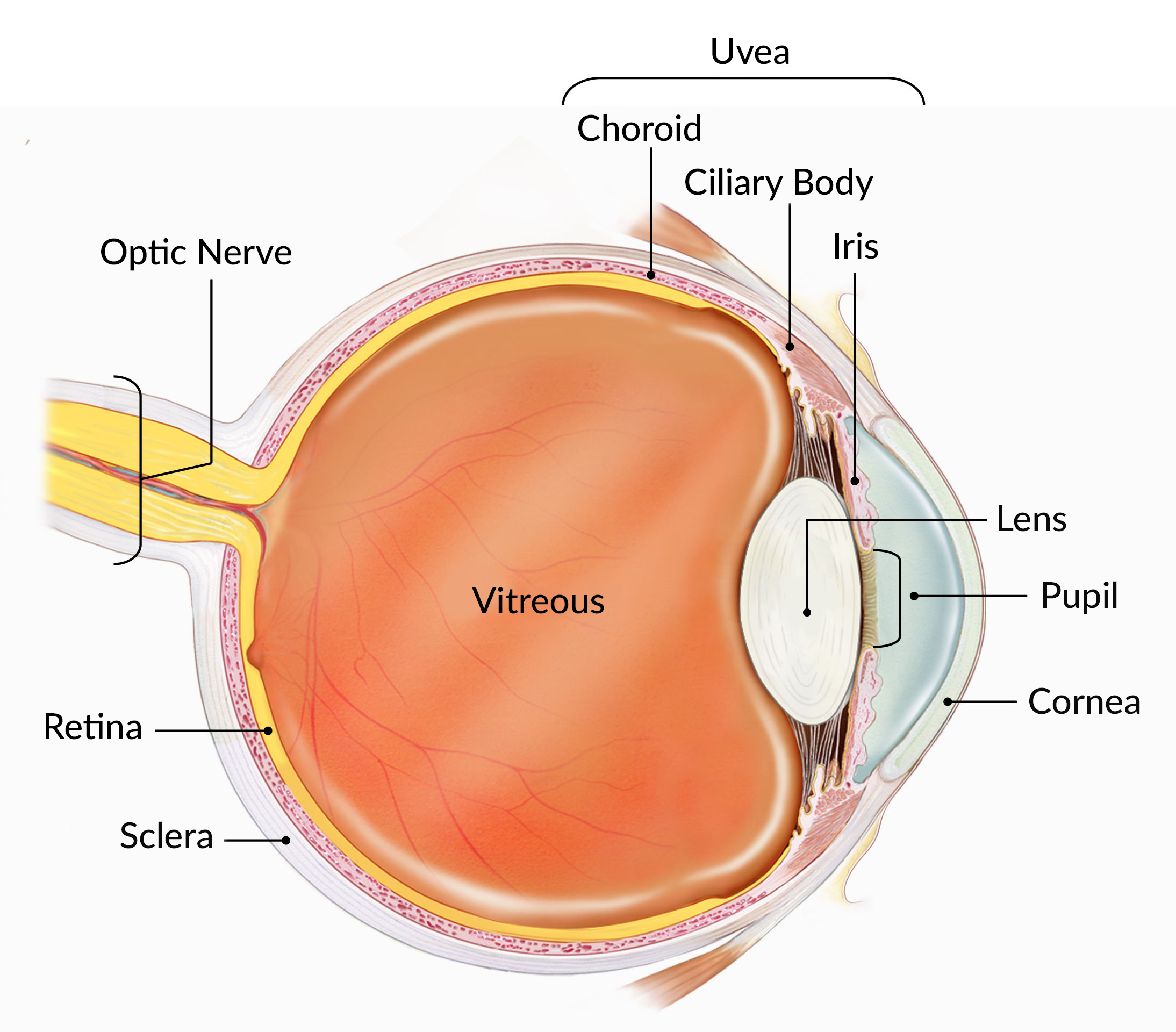
NIH/National Eye Institute (NEI)
All the different parts of your eyes work together to help you see.
First, light passes through the cornea (the clear front layer of the eye). The cornea is shaped like a dome and bends light to help the eye focus.
Some of this light enters the eye through an opening called the pupil. The iris (the colored part of the eye) controls how much light the pupil lets in.
Next, light passes through the lens (a clear inner part of the eye). The lens works together with the cornea to focus light correctly on the retina.
When light hits the retina (a light-sensitive layer of tissue at the back of the eye), special cells called photoreceptors turn the light into electrical signals.
These electrical signals travel from the retina through the optic nerve to the brain. Then the brain turns the signals into the images you see.
Get Regular Eye Exams
Many eye diseases have no early warning signs or symptoms. You could have a problem and not know it.
An eye exam is the only way to check for many eye diseases early on, when they are easier to treat. The exam is simple and painless. An eye exam can help detect:
- Refractive Errors, such as myopia (nearsightedness), hyperopia (farsightedness), presbyopia (lessened ability to focus because of age), and astigmatism (prevents the eye from focusing clearly)
- Dry Eye
- Cataract
- Glaucoma
- Diabetic Retinopathy
- Age-related macular degeneration
- Retinal tear or detachment
Prevention Guidance
You can take steps every day to protect your vision. In addition to getting regular eye exams, here are the key actions recommended by eye health experts. Remember, it is never too late to start building healthy habits. Protecting your eye health now can help you see a brighter future.
Eat Eye-Healthy Foods
Eat plenty of dark, leafy greens like spinach, kale, and collard greens. Eating fish high in omega-3 fatty acids like salmon, tuna, and halibut is good for your eyes, too. Eating healthy foods also helps prevent health conditions like diabetes or high blood pressure that can put you at risk for eye problems.
Get Active
Physical activity can lower your risk for health conditions that can affect your vision. If you have trouble finding time for physical activity, try building it into other activities — walk around while on the phone, do push-ups while watching TV, or dance while doing chores.
Quit Smoking
Smoking is not just bad for your lungs — it can hurt your eyes, too. Smoking increases your risk of diseases like macular degeneration and cataracts, and can harm the optic nerve. If you are ready to quit, call 1-800-QUIT-NOW (1-800-784-8669) for free support. You can also check out the resources on Smokefree.gov.
Wear Sunglasses
Protect your eyes from the sun by wearing sunglasses. Look for sunglasses that block 99 to 100 percent of both UVA and UVB radiation. When spending time outside, also wear a hat with a brim.
Wear Protective Eyewear
Safety glasses and goggles protect your eyes during activities like playing sports, doing construction work, or doing home repairs. You can buy them from most eye care providers and some sporting goods stores. Many eye injuries can be prevented with better safety habits, such as using protective eyewear.
Care for Your Contact Lenses
Always wash your hands before putting contact lenses in or taking them out. Be sure to disinfect your contact lenses and replace them regularly.
Know Your Family’s Eye Health History
Talk with family members to find out if they have had any eye problems. Some eye diseases run in families, so share what you learn with your eye doctor.
Manage Long-Term Health Conditions
If you have diabetes or high blood pressure, ask your doctor about steps you can take to manage your condition and lower your risk of eye problems.
Find Clinical Trials
Clinical trials uncover better ways to prevent, diagnose, treat, and understand diseases and conditions. To ensure results apply to everyone, volunteers of all ages, sexes, and backgrounds, including both healthy individuals and those with specific medical conditions, are needed. Find clinical trials on healthy vision.
Tips for Working with An Eye Care Professional
You and your eye care professional can work together to improve your eye health and overall quality of life. Good communication is an important part of this relationship.
Consider asking your eye doctor the following:
- Am I at risk of developing an eye disease?
- What can I do to protect my vision?
- Where can I get help if my vision is already affected?
- Where can I find support to cope with my vision problems or vision loss?
Tips for Better Communication
- If you do not understand your eye care professional’s responses, keep asking questions until you do.
- Take notes or ask a friend or family member to do it for you.
- Ask your eye care professional for written instructions.
- If you receive a diagnosis, ask for a handout with information about the condition.
- If English is your second language, ask for information in your native language, or ask for an interpreter or translator.
Financial Planning for Eye Exams
Medicare will pay for a dilated eye exam for people with diabetes. It will also pay for eye exams for detecting glaucoma if you have diabetes, have a family history of glaucoma, are African American and age 50 or older, or are Hispanic and age 65 or older. If you have Medicare, you may be able to get help paying for yearly eye exams.
Different programs and organizations can help pay for eye exams, glasses, and operations.
Community Support
Here are some community organizations where you can find more information:
- American Academy of Ophthalmology
- American Optometric Association
- Centers for Medicare and Medicaid Services
- Prevent Blindness
Note: This resource list is for informational purposes only. It is not comprehensive, and an organization’s inclusion does not constitute an endorsement by NIH.
Research Information
The National Institutes of Health (NIH) is the largest public funder of biomedical research in the world. NIH invests most of its budget in medical research seeking to enhance life and to reduce illness and disability. NIH-funded research has led to breakthroughs and new treatments helping people live longer, healthier lives, and building the research foundation that drives discovery.
NIH conducts and supports research to help prevent and treat eye diseases and other vision disorders. Clinical trials in vision research have led to new medicines and surgeries that have saved or improved sight for many thousands of people.
Research also shows that eating fish high in omega-3 fatty acids — like salmon, tuna, and halibut — can help protect your vision. Studies have also shown that controlling high blood pressure and high cholesterol can reduce the risk of vision loss.
Find NIH-funded research projects using NIH RePORTER, a searchable database of current and past research projects supported by NIH and other federal agencies.