 An official website of the United States government




Glaucoma is a group of eye diseases that can cause vision loss or blindness by damaging the optic nerve - the nerve in the back the eye that connects the eye to the brain.
Emergency Information
Angle-closure glaucoma can cause sudden, severe symptoms. Go to your doctor or an emergency room right away if you suddenly experience the following:
- Intense eye pain
- Sickness (nausea)
- Red eye
- Blurry vision
- Seeing rainbow-colored rings or halos around lights
If angle-closure glaucoma is not treated, it can rapidly cause blindness.
Overview
Glaucoma damages the optic nerve and can lead to permanent vision loss or blindness. The optic nerve carries visual information from the eye to the brain. When fluid in the front of the eye does not drain properly, pressure can build up inside the eye and damage the optic nerve.
There are many different types of glaucoma. The most common type is open-angle glaucoma. Nine out of ten people with glaucoma have this type. There are other types of glaucoma, some of which are caused by other medical conditions.
Symptoms usually develop slowly and may go unnoticed. The only way to detect glaucoma is through an eye exam.
There is no cure for glaucoma. However, early treatment can often slow or stop disease progression and help protect vision. Vision loss from glaucoma is permanent.
Signs and Symptoms
Early Symptoms
Glaucoma often has no symptoms in its early stages. Most people do not notice pain or changes in vision. As a result, about half of people with glaucoma do not know they have it. This is why it is essential to have routine eye exams.
Later Symptoms
As glaucoma progresses, symptoms may include:
- Gradual loss of side (peripheral) vision, especially the part closest to your nose
- Blurred spots in your vision
- A “tunnel vision” effect — as if you are looking through a tunnel
- Reduced contrast sensitivity, making colors look washed out or like you are looking through a fog
- Difficulty seeing objects to the side, even when objects straight ahead appear clear

Credit: NIH/National Eye Institute (NEI)
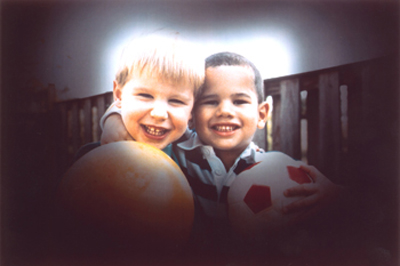
Credit: NIH/National Eye Institute (NEI)
Glaucoma can affect one eye or both eyes. Without treatment, it can eventually cause total blindness.
Some people with very advanced glaucoma still have perfect central vision - but can be considered legally blind because their peripheral vision is very limited.
Causes and Risk Factors
High eye pressure is a major risk factor, and treatments that lower eye pressure usually help to slow the disease. When fluid in the front of the eye does not drain properly, pressure can build up inside the eye. This pressure may damage the optic nerve and cause vision loss.
Other Risk Factors
Anyone can get glaucoma, but some people face higher risk:
- People with a family history of glaucoma
- Black/African American people age 40 and older
- Adults age 60 and older, especially Hispanic/Latino people
Prevention Guidance
There is no way to prevent glaucoma, but healthy lifestyle habits and managing certain chronic illnesses may help reduce the risk for many eye diseases, including glaucoma. Get a comprehensive eye exam every 1 to 2 years if you are at higher risk, especially if you have a family history of glaucoma. Early diagnosis is critical for preventing further vision loss from glaucoma.
Diagnosis
Screening for eye pressure alone is not enough to detect glaucoma. A basic eye exam for eyeglasses or contacts also cannot detect glaucoma. However, many optometrists offer non-invasive screenings that can determine whether follow-up with a glaucoma specialist is necessary. The only way to detect glaucoma is through an eye exam. Beyond measuring eye pressure, a screening for glaucoma will likely include observing the optic nerve for damage and a test to assess your peripheral vision.
Normal eye pressure varies between individuals. What is normal for one person could be too high for another. A person has glaucoma only if the optic nerve is damaged, high eye pressure alone does not mean a person has glaucoma.
Treatment and Management
Glaucoma cannot be cured. Treatment will not undo any damage already done to your vision, but it may slow or stop disease progression. Starting treatment early is the best way to stop the damage and protect your vision.
Doctors use three main types of treatment for glaucoma:
Medicines
Prescription eye drops are the most common treatment for glaucoma. They work by lowering the pressure in your eye either by helping fluid drain from the eye or by reducing how much fluid the eye makes.
Eye drops will not cure glaucoma or reverse vision loss, but they can keep glaucoma from getting worse.
Before starting glaucoma medicines, tell your doctor about all other medicines you take.
Laser Treatment
Eye doctors can use lasers to help fluid drain out of the eye, which lowers eye pressure. Laser treatment is a simple, usually painless procedure that an eye doctor can do in the office.
Surgery
If medicines and laser treatment do not work, your eye doctor may recommend surgery. Surgery cannot cure glaucoma or undo vision loss, but it can help protect your vision and stop it from getting worse.
Find Clinical Trials
Clinical trials uncover better ways to prevent, diagnose, treat, and understand diseases and conditions. To ensure results apply to everyone, volunteers of all ages, sexes, and backgrounds, including both healthy individuals and those with specific medical conditions, are needed. Find clinical trials on glaucoma.
Research Information
The National Institutes of Health (NIH) is the largest public funder of biomedical research in the world. NIH invests most of its budget in medical research seeking to enhance life and to reduce illness and disability. NIH-funded research has led to breakthroughs and new treatments helping people live longer, healthier lives, and building the research foundation that drives discovery.
NIH supports research to discover what causes glaucoma and how to diagnose it earlier and treat it more effectively.
Find NIH-funded research projects using NIH RePORTER, a searchable database of current and past research projects supported by NIH and other federal agencies.