 An official website of the United States government




Diabetic eye disease is a group of eye problems that can affect people with diabetes. These conditions include diabetic retinopathy, diabetic macular edema, cataracts, and glaucoma.
Overview
Over time, diabetes can cause damage to your eyes that leads to poor vision or even blindness. A person with diabetes is much more likely to become blind than a person without diabetes. The good news is that you can take steps to prevent diabetic eye disease or keep it from getting worse.
Your eyes may seem fine, but a full eye exam is the only way to know for sure. Often, there are no warning signs of diabetic eye disease or vision loss when damage first develops.
Related Terms: The following terms are related to diabetic eye disease:
- Diabetic retinopathy
- Proliferative diabetic retinopathy
- Nonproliferative diabetic retinopathy
- Diabetic macular edema
- Neovascular glaucoma
- Open-angle glaucoma
- Low vision
How Does Diabetes Affect Vision?
Diabetes affects your eyes when your blood glucose, also called blood sugar, is too high.
In the short term, you are not likely to have vision loss from high blood glucose. People sometimes have blurry vision for a few days or weeks when they’re changing their diabetes care plan or medicines. High glucose can change fluid levels or cause swelling in the tissues of your eyes that help you to focus, causing blurred vision. This type of blurry vision is temporary and goes away when your glucose level gets closer to normal.
If your blood glucose stays high over time, it can damage the tiny blood vessels in the back of your eyes. This damage can begin during prediabetes, when blood glucose is higher than normal, but not high enough for you to be diagnosed with diabetes. Damaged blood vessels may leak fluid and cause swelling. New, weak blood vessels may also begin to grow. These blood vessels can bleed into the middle part of the eye called vitreous (gel-like fluid that fills your eye), lead to scarring in the back of the eye, or cause dangerously high pressure inside your eye.
Types of Diabetic Eye Disease
The four diabetic eye diseases that can threaten your sight are:
Diabetic Retinopathy
The retina is the inner lining at the back of each eye. The retina senses light and turns it into signals that your brain decodes, so you can see the world around you. Damaged blood vessels can harm the retina, causing a disease called diabetic retinopathy.
In early diabetic retinopathy, blood vessels can weaken, bulge, or leak into the retina. This stage is called nonproliferative diabetic retinopathy.
If the disease gets worse, some blood vessels close off, which causes new blood vessels to grow, or proliferate, on the surface of the retina. This stage is called proliferative diabetic retinopathy. These abnormal new blood vessels can lead to serious vision problems.
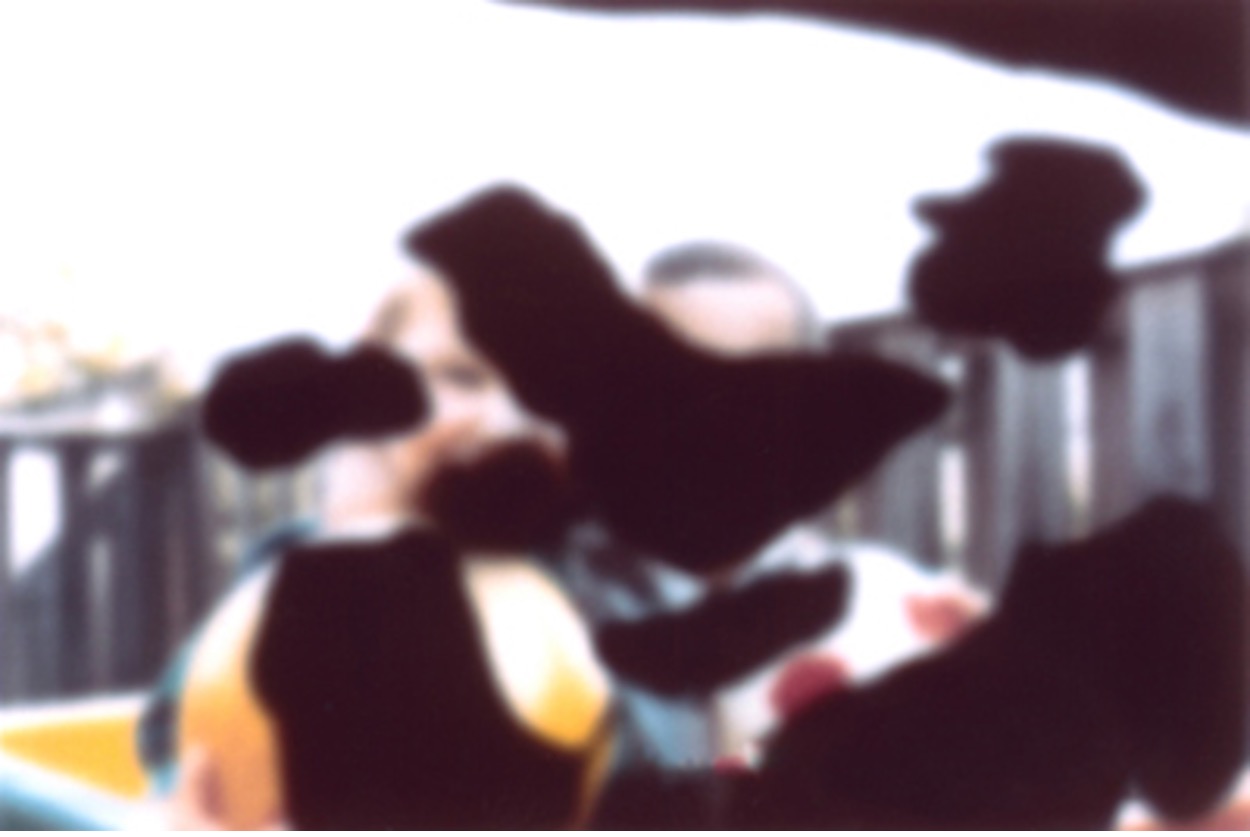
In later stages of diabetic retinopathy, blood vessels in the retina start to bleed into the vitreous. If this happens, you may see dark, floating spots or streaks that look like cobwebs. Sometimes the spots clear up on their own, but it is important to get treatment right away.
Without treatment, diabetic retinopathy can cause scars to form in the back of your eye. When the scars pull your retina away from the back of your eye, it is called tractional retinal detachment.

Credit: NIH/National Eye Institute (NEI)
Credit: NIH/National Eye Institute (NEI)
To learn more, watch a video: See What I See: Diabetic Retinopathy Virtual Reality Experience
Diabetic Macular Edema
The part of your retina that you need for reading, driving, and seeing faces is called the macula. Diabetes can lead to swelling in the macula, which is called diabetic macular edema (DME). DME happens when blood vessels in the retina leak fluid into the macula. Over time, this disease can destroy the sharp vision in this part of the eye, leading to partial vision loss or blindness. Macular edema usually develops in people who already have other signs of diabetic retinopathy.
Glaucoma
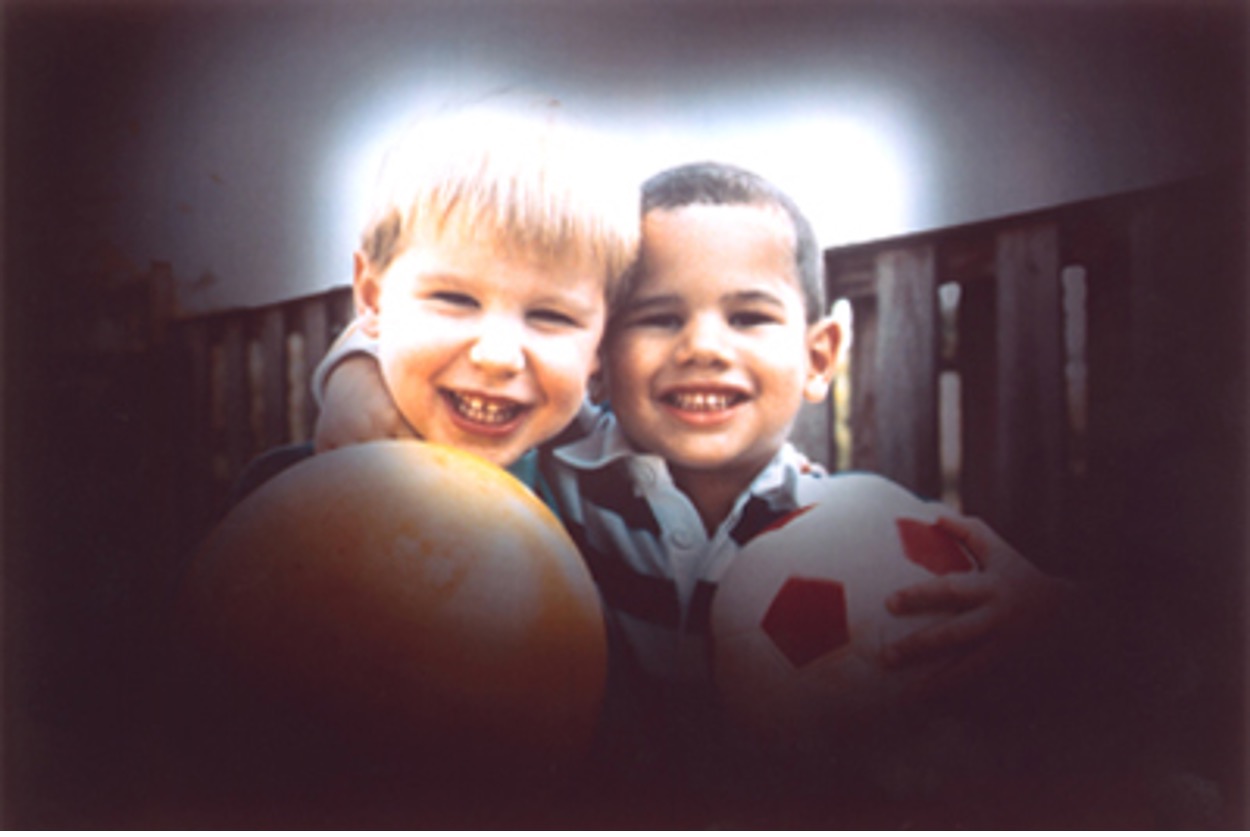
Glaucoma is a group of eye diseases that can damage the optic nerve—the bundle of nerves that connect the eye to the brain. Diabetes doubles the chances of having glaucoma, which can lead to vision loss and blindness if not treated early. Symptoms depend on which type of glaucoma you have.
Credit: NIH/National Eye Institute (NEI)
Cataracts
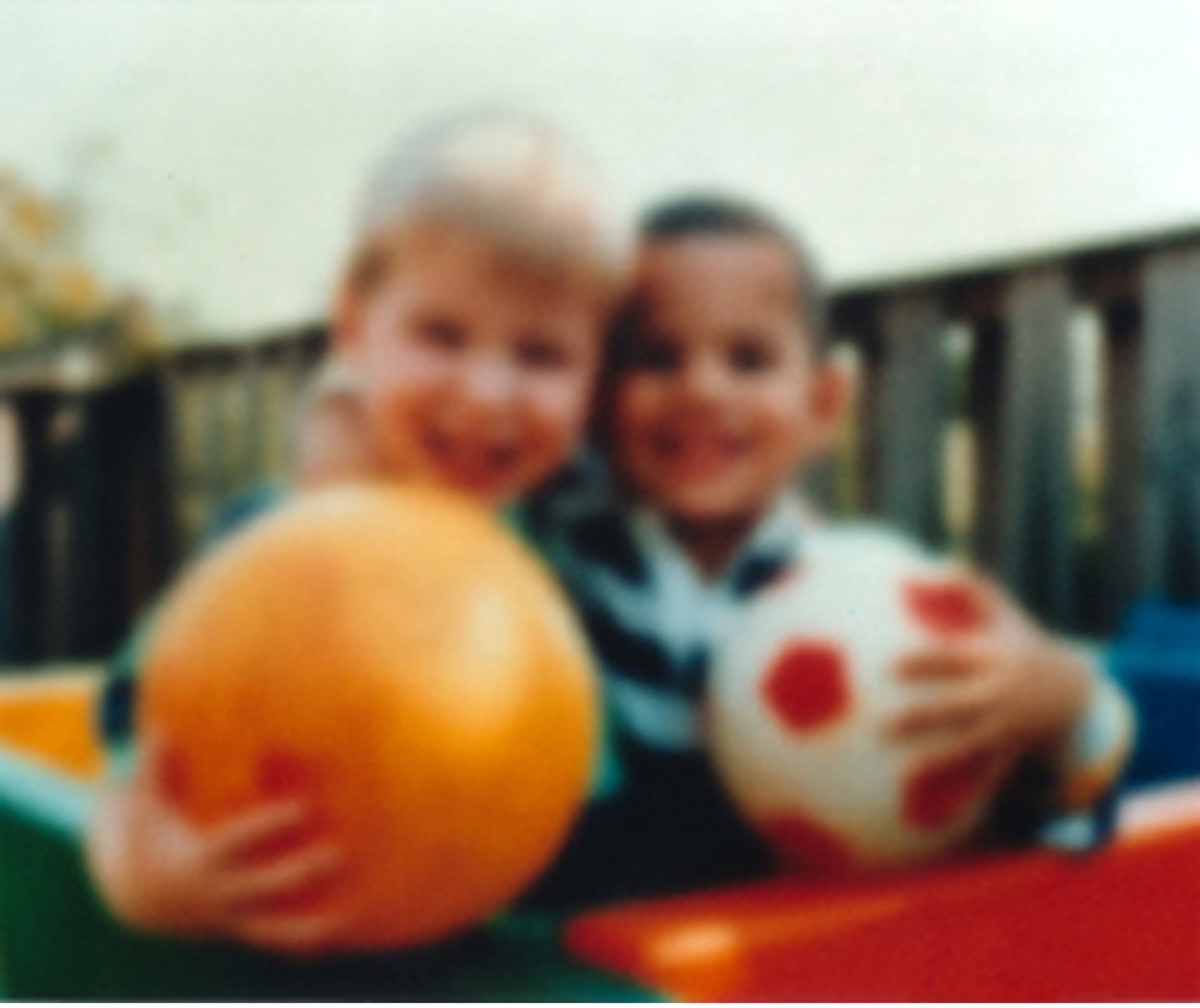
The lenses within our eyes are clear structures that help provide sharp vision—but they tend to become cloudy as we age. People with diabetes are more likely to develop cloudy lenses, called cataracts. People with diabetes can develop cataracts at an earlier age than people without diabetes.
Credit: NIH/National Eye Institute (NEI)
Cataracts cause cloudy vision and faded colors. Symptoms may also include poor night vision, double vision, and problems with bright lights, especially at night.
Signs and Symptoms
Often there are no early symptoms of diabetic eye disease. You may have no pain and no change in your vision as damage begins to grow inside your eyes, particularly with diabetic retinopathy.
When symptoms do occur, they may include:
- Blurry or wavy vision
- Frequently changing vision — sometimes from day to day
- Dark areas or vision loss
- Poor color vision
- Spots or dark strings (also called floaters)
- Flashes of light
Talk with your eye doctor if you have any of these symptoms.
Diabetic eye disease can cause permanent vision loss or low vision. Low vision means that even with eye glasses, contact lenses, medicine, or surgery, people find everyday tasks difficult to do. Reading the mail, shopping, cooking, watching TV, and writing can all seem challenging.
Causes and Risk Factors
Anyone with diabetes can develop diabetic eye disease. Your risk is greater with:
- High blood glucose that is not treated
- High blood pressure that is not treated
- High blood cholesterol
- Smoking
Your chances of developing diabetic eye disease increase the longer you have diabetes. In fact, between 40% and 45% of those with diagnosed diabetes have some degree of diabetic retinopathy. Over time, more than half of people with diabetes will develop diabetic retinopathy.
Pregnancy
If you have diabetes and become pregnant, you can develop eye problems very quickly during your pregnancy. If you already have some diabetic retinopathy, it can get worse during pregnancy. Changes that help your body support a growing baby may put stress on the blood vessels in your eyes. Gestational diabetes — diabetes that occurs only during pregnancy — does not usually cause eye problems.
Prevention Guidance
Early detection, timely treatment, and appropriate follow-up care can reduce the risk of blindness by 95%. The sooner you work to manage your diabetes and other health conditions, the better.
To prevent diabetic eye disease, or to keep it from getting worse, stay on TRACK—especially if you are pregnant:
- Take your medicines as prescribed by your doctor.
- Reach and maintain a healthy weight.
- Add more physical activity to your daily routine — such as walking at least 30 minutes five times per week.
- Control your ABCs — A1C, blood pressure, and cholesterol levels.
- Kick the smoking habit.
Even if you have struggled in the past to manage your health, taking better care of yourself now can protect your eyes for the future. It is never too late to begin.
Diagnosis
Having an eye exam is the best way to check for eye problems from diabetes. Most people with diabetes should see an eye care professional once a year for a complete eye exam. Regular eye exams are essential for detecting diabetic eye disease early, when it is most treatable.
Additional tests may be ordered depending on the type and severity of diabetic eye disease.
Treatment and Management
Doctors may treat advanced eye problems with medicine, laser treatments, surgery, or a combination of these options. The exact treatment will depend on the type of diabetic eye disease and how severe it is.
Living With Vision Loss
If treatment fails to improve vision, ask for a referral to a low vision specialist. Ask your eye care professional to help you find a low vision and rehabilitation clinic. Vision rehabilitation can help you learn about strategies and devices to make the most of your remaining sight. Learn how vision rehabilitation services can support people with visual impairment.
You can also check with a nearby school of medicine or optometry. Many community organizations and agencies offer information about low vision counseling, training, and other special services for people with visual impairment.
Special devices and training may help you make the most of your remaining vision so that you can continue to be active, enjoy hobbies, visit friends and family members, and live without help from others.
Find Clinical Trials
Clinical trials uncover better ways to prevent, diagnose, treat, and understand diseases and conditions. To ensure results apply to everyone, volunteers of all ages, sexes, and backgrounds, including both healthy individuals and those with specific medical conditions, are needed. Find clinical trials on diabetic eye disease.
Find Treatment
Health professionals who are part of an eye health team may include:
- Certified diabetes educator
- Health promoter
- Nurse
- Ophthalmologist
- Optometrist
- Pharmacist
- Primary care provider
- Social worker
Community Support
To learn more about diabetic eye disease, visit:
- American Academy of Ophthalmology
- The American Optometric Association
- American Society of Retina Specialists
Note: This resource list is for informational purposes only. It is not comprehensive, and an organization’s inclusion does not constitute an endorsement by NIH.
Research Information
The National Institutes of Health (NIH) is the largest public funder of biomedical research in the world. NIH invests most of its budget in medical research seeking to enhance life and to reduce illness and disability. NIH-funded research has led to breakthroughs and new treatments helping people live longer, healthier lives, and building the research foundation that drives discovery.
NIH supports research on the visual system and eye diseases and supports basic and clinical science programs to develop sight-saving treatments and address special needs of people with vision loss. New treatments are being developed all the time, and researchers are learning that different treatments may work best for different patients.
Scientists are studying better ways to find, treat, and prevent vision loss in people with diabetes.
Find NIH-funded research projects using NIH RePORTER, a searchable database of current and past research projects supported by NIH and other federal agencies.